
Elevating Product Quality:
The UX Blitz Approach
Over the past year, I’ve noticed how “quality” became a critical benchmark for companies aiming to stand out in a competitive market. While it’s true that quality has always been a cornerstone of business strategy, the big change now is that it’s no longer just an abstract concept. Quality has become a standard that every team member understands and actively pursues, making it a shared commitment throughout the organization.
In a fast-paced industry, staying ahead of the competition is crucial, and building new features is always exciting. We look for the next big thing to make an impact, create something life-changing, and showcase our skills. But let’s talk about quality for a moment. We aim high and hope our products aren’t just good, but great. Yet, once they’re out there, we often hit cruise control and shift our focus to the next shiny object. It may seem straightforward to see if a new product made waves — did it impact our bottom line? Did people use it as expected?
It’s a shift in mindset, processes, and metrics to ensure quality is not just an afterthought but a foundational element of product strategy.
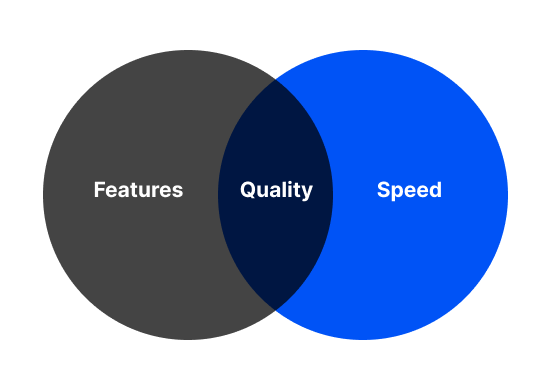
Prioritizing quality over creating new features is a nuanced challenge that touches on strategic, operational, and cultural dimensions of product development. It requires a balanced approach, acknowledging the importance of innovation while recognizing that the sustainability and success of a product are deeply rooted in its quality. It’s a shift in mindset, processes, and metrics to ensure quality is not just an afterthought but a foundational element of product strategy.
“When we build a feature and it works, we move on to the next. But we always keep an eye on it.”
Avishai Abrahami, Wix CEO and Co-founder
At Wix, we decided to make quality our pride and glory, with various teams tackling this challenge, from performance, SEO, Production, A11y, SLA, to bug fixing. Our UX Guild took this effort to the next level, focusing on experience, which was even more challenging as it required educating and convincing different disciplines to invest in something they couldn’t immediately see or measure, especially when the payoff is down the road.
Defining Quality: Key Questions and Considerations
- Is it just about making things run smoothly and squashing bugs?
- Do we categorize broken workflows or missing functionalities as elements of “quality”?
- Should we consider issues resulting in a frustrating user experience as part of our quality standards?
- Who determines what meets our quality standards?
- What if we can’t fix things due to dependencies on other teams?
- Is it feasible to stop ongoing tasks to address quality issues immediately?
- Could we implement a rating scale from 1 to 10 to measure our product’s overall quality?
So, what does quality mean for us?
Our definition of quality means ensuring that existing features work flawlessly, enhancing the overall user experience. It involves more than just functionality; it takes a holistic approach to designing products that efficiently, clearly, and delightfully meet users’ needs.
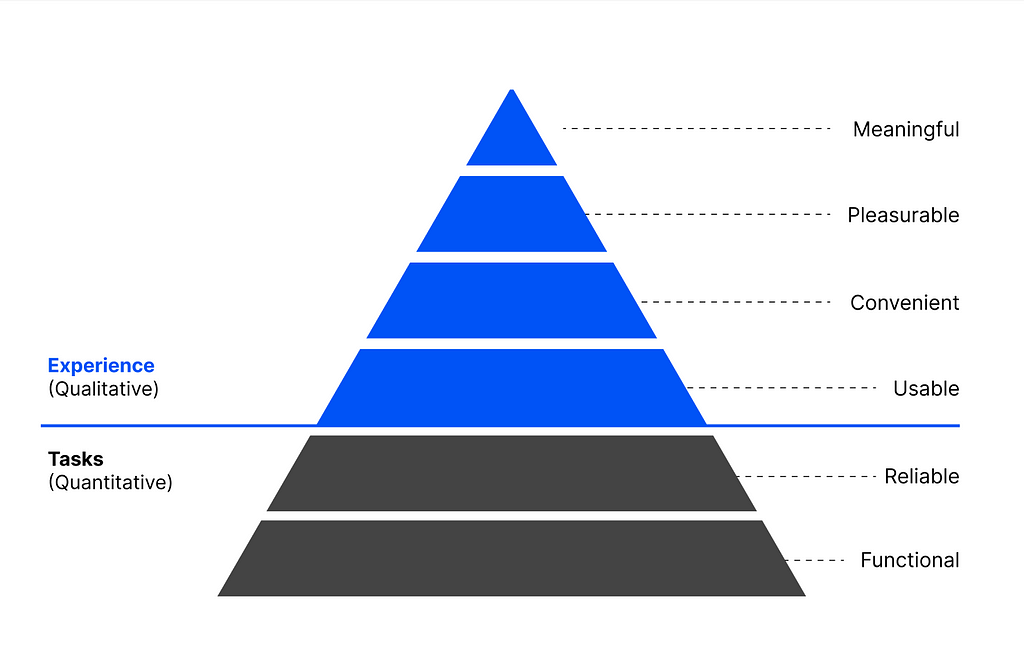
To deal with the upper layers of the experience pyramid we must prioritize the quality of our products over expanding our offering
What happens when we make quality our priority?
- Reduced support tickets
- Enhanced operational efficiency, long-term viability, cost savings, and scalability
- Satisfied users are more likely to stay engaged and recommend the product to others
Wix UX Quality Blitz: A Tangible Expression of Wix Commitment to Quality
To ensure quality wasn’t overshadowed by new features, we needed some kind of a SLA for experience issues. Before implementing this, we had to align everyone on what constitutes UX quality and why it is crucial. That’s how we came up with the ‘Wix UX Quality Blitz’ — a 1 to 3-day marathon conducted once per Q, where the entire team, led by UX, meets to fix as many flaws and overlooked issues in our products as possible. This initiative highlights Wix’s commitment to delivering top-notch products to its users by focusing on four main areas:
- Experience issues: Clarify processes, simplify navigation, ֿand streamline complex workflows.
- UI and visual assets: Enhance clarity, professionalism, and a modern feel.
- Content improvements: Ensure the text is clear and helpful.
- Accessibility: Make the product accessible to all users.
To illustrate the effect of a ‘UX quality blitz’, here’s a couple of examples from our products:


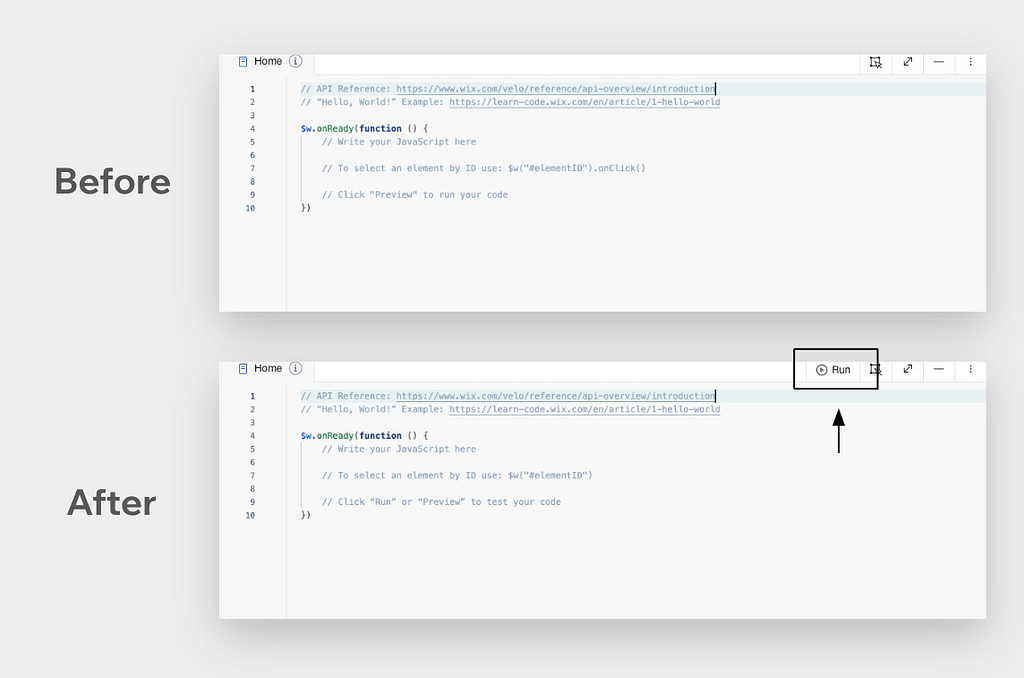

After: A ‘don’t show me again’ checkbox was added to the popup
Preparing for a Quality Blitz:
Identify quality issues:
Conduct a comprehensive product audit to identify areas needing enhancement. Use tools like Fullstory for user interaction analysis, conduct usability testing, hold user interviews, and gather feedback from support teams to compile a list of potential improvements.
Create a quality backlog:
Encourage contributions from all team members, including UX designers, product managers, writers, developers, and QA analysts, to promote a collaborative approach to quality improvement.
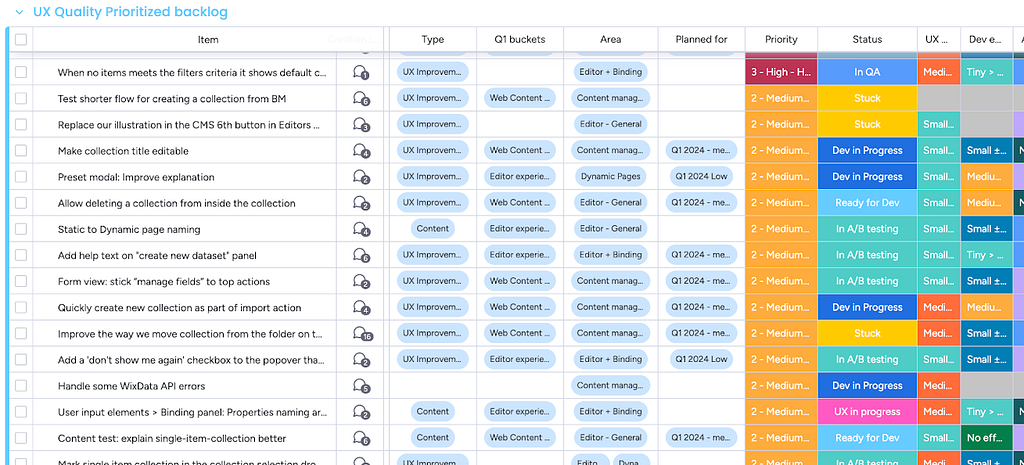
- Prioritize issues:
Evaluate each issue based on its impact on the user experience (severity) and the effort required for resolution (development effort). This helps prioritize tasks that will have the most significant effect on quality for the least expenditure of resources. - Organize the team:
Assemble a multidisciplinary team capable of addressing the identified issues. This team should include roles such as UX designers, developers, product managers, business analysts, and QA specialists. - Plan the event:
Set a date and venue: Choose an off-site location if possible to minimize distractions and foster a focused work environment. At Wix, we have a tradition of creating a theme for the event to make the experience even more enjoyable and memorable for everyone involved.

- Prepare necessary resources:
Ensure all necessary materials, such as Figma files, BI events, and content updates, are prepared in advance. - Define the agenda:
Clearly outline the objectives and schedule for the blitz to keep everyone on track.
Showtime! Conducting a Blitz:
- Kickoff:
Start with an introduction that motivates and aligns all participants on the day’s goals. Providing snacks or small incentives can create a positive and energetic atmosphere. - Work session:
Dive into the backlog, with each team member tackling tasks according to predefined priorities. Maintain an open environment where participants can ask questions and seek help as needed. - Midday check-in:
Regroup to assess progress and realign if necessary. This helps address any hurdles and ensures the team is on pace to achieve the blitz’s goals. - Wrap-up and demo:
At the end of the session, review all completed tasks and document any unresolved issues that need more attention. Celebrate the day’s achievements to boost morale and acknowledge everyone’s hard work.

Post-Blitz Actions:
- Celebrate and share successes: Host a meeting to celebrate the team’s accomplishments. Sharing success stories and individual contributions can motivate the team and reinforce the importance of quality.
- Monitor and measure impact: Track the impact of the improvements on user experience and operational efficiency. Use this data to refine future quality efforts.
- Update the quality backlog: Add new tasks discovered during the blitz to the backlog and plan the next steps in the quality journey.
- Schedule the next blitz: Regularly scheduled quality blitzes can ensure continuous improvement and help embed a culture of quality within the organization.

Tips & Notes:
Quality over quantity! If a task gets too complicated for a blitz day, move on to the next or prioritize it as a roadmap task.
What Did We Achieve from Our Quality Blitz?
“Prior to the Quality Blitz, quality issues were typically addressed on a ‘best effort’ basis, often resulting in them not being resolved within the desired timeframe. The Quality Blitz transformed our approach, pushing us to actively tackle and resolve many more quality issues. This shift established a higher benchmark for product delivery, ensuring a high quality user experience.”
Yael Wetterstein, UX designer at wix identity team
Incorporating quality into the product process is not just about fixing bugs or refining features; it’s about adopting a quality-first mindset that permeates every aspect of the design and development process. By following the strategies outlined in the Wix UX Quality Blitz, we ensure that our products not only meet but exceed user expectations. Quality is not just a goal — it’s the foundation upon which exceptional product teams and user experiences are built.
Edited by Daniel Raz
Is there a topic you want to see covered by the Wix UX team? Let us know by filling out this form.
Elevating Product Quality: The UX Blitz Approach was originally published in Wix UX on Medium, where people are continuing the conversation by highlighting and responding to this story.


